
Seat Belt Syndrome: Injuries and Treatment After a Car Accident
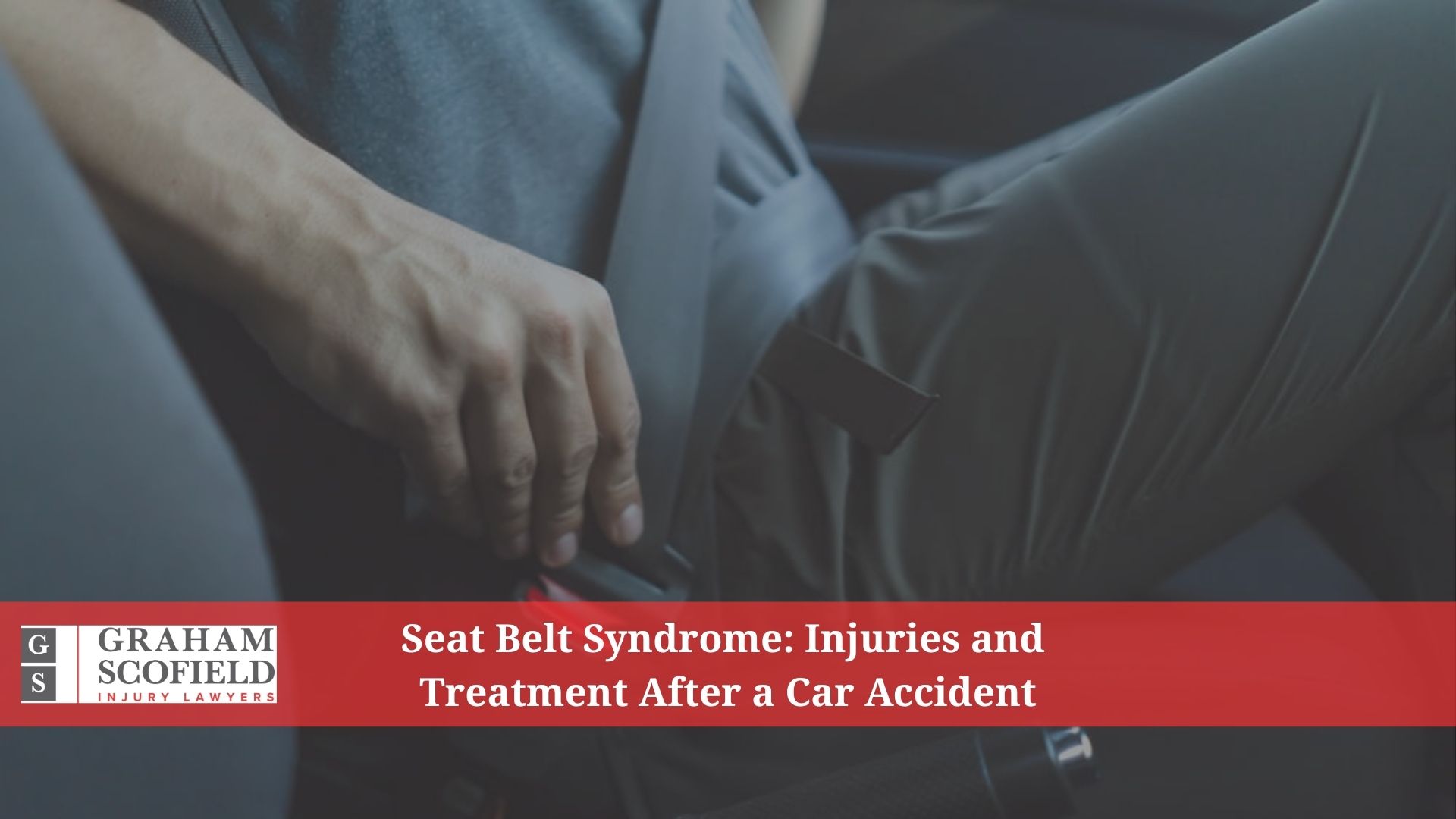
Car accidents can cause serious injuries even when you’re wearing a seat belt. In some cases, a crash victim may feel fine at the scene, but later develop abdominal, back, or chest pain days after the collision. This may be a sign of seat belt syndrome.
Seat belt syndrome refers to a pattern of injuries caused by the seat belt force during a crash. It commonly affects the abdomen, spine, chest, and soft tissues. These injuries are more common in high-impact crashes, including those on major Atlanta highways like I-285 and I-85.
In this guide, we’ll cover injury types, symptoms, treatment, and legal options in Atlanta to help you recover and protect your rights after a crash.
What Is Seat Belt Syndrome?
Seat belt syndrome refers to a group of injuries caused by the restraining force of a three-point seat belt during a collision. While the belt prevents more severe outcomes like ejection, it also concentrates force on specific areas of the body.
- Lap Belt: Applies pressure to the lower abdomen and lumbar spine.
- Shoulder Belt: Transfers force to the chest, clavicle, and neck.
One of the most important warning signs is the “seat belt sign”. This is a visible bruise or abrasion across the abdomen, chest, or shoulder. While it may look minor, it often signals deeper internal injuries.
According to the National Highway Traffic Safety Administration (NHTSA), seat belts save approximately 15,000 lives each year. However, in high-speed collisions, they can also cause serious trauma that requires immediate medical attention.
Common Seat Belt Syndrome Injuries
The severity of seat belt syndrome injuries varies based on crash speed, impact angle, and seat belt positioning. The most common types of seat belt injuries include:

Abdominal and Internal Organ Injuries
The lap belt can compress internal organs against the spine during a crash. This can lead to damage involving:
- Small intestine and colon
- Mesentery (tissue connecting the intestines)
- Bladder
- Liver
These injuries are especially serious because internal bleeding may not be immediately noticeable. In many cases, symptoms develop hours or even days later.
Clinical research suggests that up to 30% of patients with a visible seat belt sign have significant internal organ damage, making early evaluation critical.
Chance Fracture (Lumbar Spine)
A Chance fracture is a spinal injury that occurs when the body bends forward over the lap belt during a crash, placing extreme force on the lower back.
It is often linked with abdominal injuries, so doctors also check for internal (visceral) damage. Because these injuries may not be visible on exam, a CT scan is typically used for diagnosis.
Chest, Rib, and Sternum Injuries
The shoulder portion of the seat belt can cause blunt force trauma to the upper body, leading to rib, sternum, or chest injury after a crash. This may include:
- Rib fractures
- Sternum (breastbone) fractures
- Pulmonary contusions (bruised lungs)
- Clavicle (collarbone) fractures
Soft Tissue and Neck Injuries
Even with proper seat belt use, whiplash from sudden deceleration can strain muscles and ligaments. The shoulder belt can cause:
- Cervical disc injuries
- Shoulder ligament damage
- Neck strain
Recommended Reads for Accident Victims

How Many Points Will Suspend Your License in Georgia?

What to Do If an Unlicensed Driver Hit You in Georgia

How Long Does an Insurance Company Have To Investigate a Claim in Georgia?

Why ChatGPT Can’t Win Your Car Accident Settlement

Seat Belt Syndrome: Injuries and Treatment After a Car Accident

A Visual Guide to Semi-Truck Blind Spots & No-Zones
Symptoms of Seat Belt Syndrome — When To Seek Medical Attention
Seat belt syndrome symptoms often develop slowly, which makes these injuries especially dangerous. You may feel fine right after a crash, only to develop serious complications hours or days later.
Seek medical attention after a car accident if you notice:
- Visible bruising or abrasions along the belt path (‘seat belt sign’) — seek immediate evaluation even if you feel okay.
- Abdominal pain or tenderness that develops hours after the crash — can indicate internal bleeding or organ injury.
- Back pain, especially in the lower lumbar region — may indicate a Chance fracture.
- Difficulty breathing or chest pain — may indicate rib fracture or pulmonary contusion.
- Nausea, dizziness, or weakness — potential signs of internal injury or spinal involvement.
If you experience any of these symptoms, seek medical care immediately. Delaying treatment can lead to serious complications and may also affect your ability to document your injuries later.
How Seat Belt Syndrome Is Diagnosed and Treated
Seat belt syndrome often involves hidden internal injuries, so doctors use careful evaluation and advanced imaging to identify damage as early as possible.
Diagnosis
Diagnosing seat belt syndrome begins with a thorough medical evaluation. Doctors rely on imaging and exams to identify internal injuries that may not be immediately visible.
Diagnosis typically includes:
- Physical exam to assess bruising, tenderness, and pain patterns
- CT scan to detect internal organ damage and spinal fractures
- X-rays to identify rib, clavicle, or sternal fractures
- FAST ultrasound (Focused Assessment with Sonography for Trauma) to quickly detect internal bleeding in emergency settings
Treatment
Seat belt syndrome treatment varies depending on the type and severity of your injuries.
- Minor Soft Tissue Injuries
- Rest, ice, anti-inflammatory medication, and physical therapy
- Internal Organ Injuries
- May require emergency surgery or hospitalization
- Chance Fractures (Spinal Injuries)
- Treated with bracing or surgical stabilization
- Ongoing Care
- Physical therapy, pain management, and follow-up imaging to monitor recovery
Proper diagnosis and treatment not only protect your health but also help document your injuries for a legal claim.
Seat Belt Injuries in Children
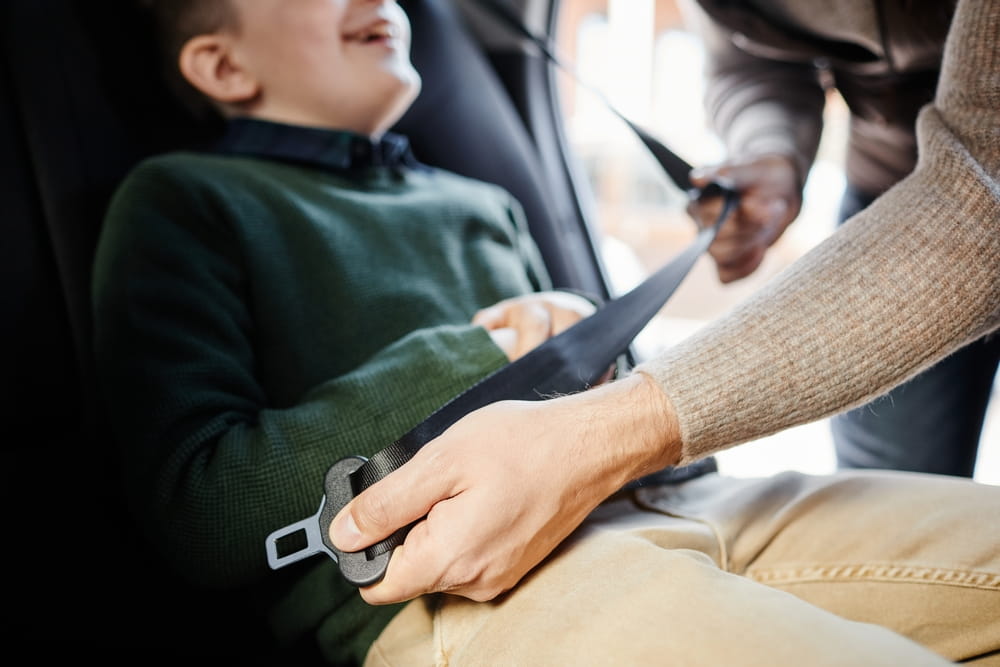
Children are especially vulnerable to seat belt injuries in a crash if the belt does not fit properly.
When a child uses an adult-sized seat belt without a booster seat, the lap belt may ride up onto the soft abdomen instead of sitting on the hips. This increases the risk of internal organ damage and spinal injuries.
Pediatric seat belt syndrome often includes:
- Small bowel injuries
- Lumbar (lower back) fractures
The American Academy of Pediatrics (AAP) recommends that children use a booster seat until they are about 4’9” tall and weigh between 80 to 100 pounds so that the seat belt fits correctly across their body.
Your Legal Options After Seat Belt Syndrome in Atlanta, GA
If your seat belt injuries were caused by another driver’s negligence, you may be able to recover damages for medical bills, lost wages, pain and suffering, and long-term disability or ongoing care.
The Georgia Statute of Limitations generally gives you two years from the date of the accident to file a personal injury claim. Acting early helps preserve evidence and strengthen your case.
Insurance companies often try to minimize seat belt injury claims by arguing:
- The injuries are not serious
- The symptoms are delayed or unrelated
- The condition existed before the crash
Working with an experienced Atlanta car accident attorney can help protect your rights and ensure you get the compensation you deserve.
Documentation is also critical for your claim. Keep all medical records, imaging reports, doctor’s notes, and photos of bruising.
When Multiple Parties May Be Liable
In some cases, more than one party may be responsible for your seat belt injuries.
- The at-fault driver is usually the primary party
- A vehicle manufacturer may be liable if the seat belt was defective (failed to lock, tore, or malfunctioned)
Georgia follows a modified comparative fault rule, meaning:
- You can still recover damages if you are less than 50% at fault
- Your compensation may be reduced based on your level of responsibility
Speak With an Atlanta Car Accident Lawyer Today
If you or a loved one has been in a recent crash and suffered seat belt injuries as a result of someone else’s negligence, don’t wait to get medical and legal help.
At Graham Scofield Injury Lawyers, our experienced car accident attorneys are here to guide you through the legal process during this difficult time. We work to prove liability for your seat belt injuries and pursue the compensation you need to heal.
Contact our team for a free consultation to understand your rights and legal options.
Frequently Asked Questions About Seat Belt Syndrome
What is seat belt syndrome?
Seat belt syndrome is a pattern of injuries caused by the force of a seat belt during a collision. It commonly affects the abdomen, spine, chest, and soft tissues. A visible bruise across the torso, known as the seat belt sign, may indicate internal injury.
What are the signs of seat belt syndrome after a crash?
Common symptoms of seatbelt syndrome after a crash include bruising across the abdomen or chest, abdominal pain, back pain, difficulty breathing, and nausea. Symptoms are often delayed and may appear 24 to 72 hours after the accident.
How long does seat belt syndrome last?
Seatbelt syndrome recovery depends on the severity of the injury. Minor soft tissue injuries may heal within weeks, while internal injuries or spinal fractures can take months and may require ongoing care.
Can a seat belt cause internal injuries?
Yes. The lap belt can compress internal organs like the intestines, liver, and bladder, leading to internal bleeding or damage. Studies show that up to 30% of patients with a visible seat belt sign have serious internal injuries.
Is seat belt syndrome covered by insurance?
Yes. These injuries are typically covered under the at-fault driver’s liability insurance in Georgia. If your claim is disputed, working with an experienced car accident attorney can help you recover full compensation.

Graham Scofield
Atlanta Personal Injury Lawyer
Graham Scofield is a skilled trial lawyer and a fierce advocate for injury victims and employees’ rights.