
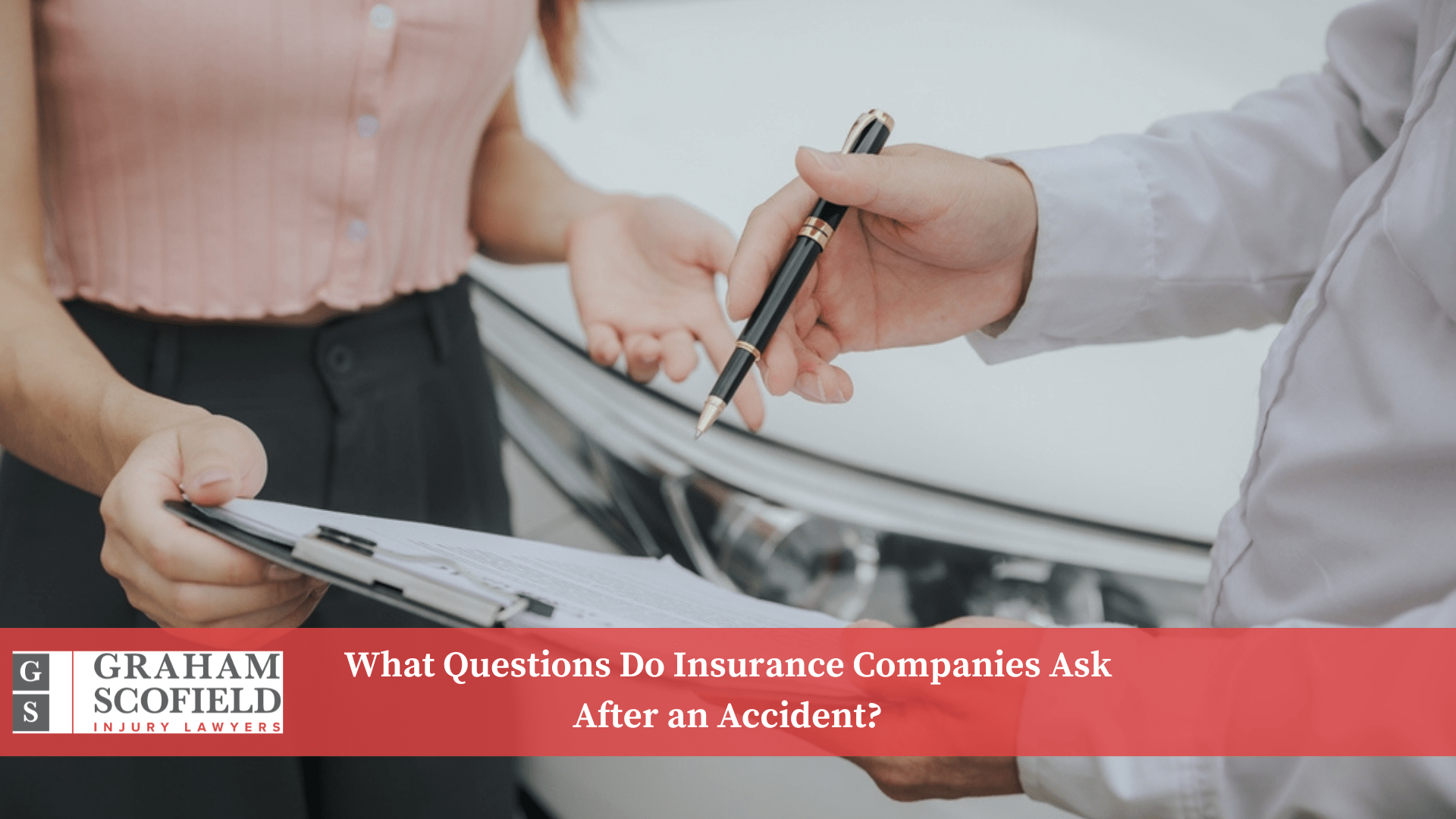
What Questions Do Insurance Companies Ask After an Accident?
Summary: After a car accident in Georgia, insurance adjusters ask for factual data like the date, time, and location to verify coverage under O.C.G.A. § 40-6-273.1. However, they often ask “trap” questions regarding your injuries and speed to shift liability under Georgia’s comparative negligence laws (O.C.G.A. § 51-12-33). Do not provide a recorded statement or discuss your health until you have completed medical treatment.
Car accidents are devastating, especially when the accident wasn’t your fault. Your car has to be repaired. It might even be totally destroyed. You might be severely injured. Your passenger(s) might be injured, as well. In order to recover compensation for your medical bills, lost wages, pain and suffering, and other damages, you will have to file an insurance claim with the at fault driver’s insurance carrier.
Soon, you’ll start receiving calls from the at fault driver’s insurance adjuster. Being prepared for these auto insurance questions is critical, as the adjuster will often use sweet talk to persuade you to lower your guard and make a statement that might be harmful to your claim. Even the most innocuous sounding questions from the insurance adjuster (e.g., “where were you coming from when the accident happened”) can dramatically influence the value of your claim.
Do You Have to Speak to an Insurance Adjuster?
Contrary to what the insurance adjuster might tell you, you are not obligated to speak with an insurance adjuster before hiring a lawyer. In fact, we do not recommend that you speak with an insurance adjuster before you hire a skilled car accident lawyer.
Contact Graham Scofield Injury Lawyers today if you’ve been hurt in a car accident and you want to ensure that you receive fair compensation for your losses. With proper legal assistance, you can focus on recovering from your injuries, while a dedicated lawyer handles all of the paperwork and communicates with the insurance company on your behalf.
Schedule a free, no-risk consultation with a knowledgeable Atlanta injury lawyer by calling (470) 928-63424 or through our online contact form.
What to Expect When an Insurance Company Contacts You
Right after your accident, the liable party’s car insurance company will likely call you to conduct an interview. The goal of that interview is to document what occurred from your point of view and determine what damages were caused by the accident.
Although we do not recommend that you speak with an insurance adjuster without first hiring an attorney, if you choose to speak to the insurance adjuster, you should only provide information about the property damage to your vehicle. If you were injured by the collision, you should not communicate any information about your injuries to the insurance adjuster until you have completed all of your medical treatment.
Many times, injury victims tend to downplay the severity of their injuries when they speak to the insurance adjuster. If you downplay the severity of your injuries, only to later discover through additional diagnostic testing, chiropractic treatment, or orthopedic treatment that you do have serious injuries, the adjuster will lowball your claim by arguing that there must have been some intervening event (after the car accident) that made your injuries worse. If an insurer acts deceptively or refuses to fairly investigate your claim, you may have grounds for a bad faith insurance claim.
Atlanta Car Accident Legal Guides & Resources
The Difference Between Insurance Adjusters and Investigators
Many victims don’t realize that a claim can be transferred from a standard adjuster to a Special Investigation Unit (SIU).
- Adjusters: Focus on policy coverage and basic liability facts.
- Investigators: Look for “cracks in the vase”—small inconsistencies in your story that suggest fraud or exaggerated injuries.

What Questions Do Insurance Companies Ask After a Car Accident?
Insurance adjusters move through a call in a fairly predictable order, starting with easy, low-risk facts and gradually working toward questions about fault and injuries. Knowing where you are in that progression helps you recognize when to keep answering freely and when to slow down.
Basic Accident Facts
Why they ask: These questions open your claim file and confirm the basics of what happened. They’re low-risk and generally safe to answer.
Typical questions:
- When did the accident occur? What was the date and time?
- What is the year, make, and model of the vehicle you were driving?
- Were there any other vehicles involved?
- Did you have any passengers?
- Was anyone else at the scene as a witness?
Vehicle Damage and Police Report Questions
Why they ask: They need to confirm the extent of property damage and whether an official report exists to corroborate the facts.
Typical questions:
- What type of damage was done to your vehicle?
- Is your vehicle drivable, or did it need to be towed?
- What repair shop are you using?
- Was a police report filed?
- Do you have the report number?
Coverage and Policy Questions
Why they ask: The adjuster is confirming what coverage applies to your claim. This matters more in Georgia than in no-fault states, since Georgia does not require insurers to carry PIP (personal injury protection) or no-fault coverage, most injury claims here are paid through the at-fault driver’s bodily injury liability coverage, not your own policy. That means these questions are often about their policyholder’s coverage limits, not yours, and you’re not obligated to volunteer details about your own policy to the other driver’s insurer.
Typical questions:
- What is the year, make, and model of the vehicle involved?
- Do you know if the other driver had insurance, and what company?
- Do you carry collision or uninsured motorist coverage?
- Is your vehicle financed or leased?
Detailed Questions About How the Crash Happened
Why they ask: This is where liability starts to get tested. Under Georgia’s modified comparative negligence rule (O.C.G.A. § 51-12-33), if you’re found more than 50% at fault, you recover nothing — and even a partial share of fault reduces your compensation proportionally. Adjusters know this, which is why questions in this category are asked so early and so casually.
Typical questions:
- In what direction were you traveling?
- How fast were you going right before the collision?
- Did you see the other vehicle before the impact?
- Did weather or road conditions play a role?
- Were you wearing your seatbelt?
Injury and Treatment Questions
Why they ask: This is the highest-stakes category. Adjusters ask about injuries early — often before your symptoms have fully developed — because an early “I’m fine” or a downplayed answer can be used later to argue your injuries came from something other than the crash.
Typical questions:
- Were you hurt in the accident?
- Were you treated by a paramedic or taken to a hospital?
- How are you feeling now?
- Have you missed any work because of your injuries?
Prior Injury or Medical History Questions
Why they ask: This is one of the more common tactics adjusters and Special Investigation Units use to reduce a payout — by trying to establish that your current pain is a “pre-existing condition” rather than something caused by this crash, even if you had no ongoing symptoms before the accident.
Typical questions:
- Have you ever had back, neck, or shoulder problems before?
- Have you filed a workers’ compensation or personal injury claim in the past?
- Have you seen a chiropractor or physical therapist in the last several years?
- Have you been in any prior car accidents?
Recorded Statements and Examinations Under Oath
Why they ask: A recorded statement locks in your exact words so they can be replayed later if the company wants to argue your claim is worth less than you say. An Examination Under Oath (EUO), sometimes called a Statement Under Oath, is a more formal version — often conducted by the insurer’s own lawyer, with a court reporter present, and can be required under the terms of certain policies.
Typical questions:
- Is it okay if we record this call for our file?
- Can you confirm you understand this statement may be used in our investigation?
- We’d like to schedule an Examination Under Oath — are you available on [date]?
- Please bring your medical records and any prior claim documents to the EUO.
Questions Insurance Companies Ask That You Shouldn’t Answer
Some examples of the questions you may be asked by an insurer that you shouldn’t answer include:
- In what direction were you traveling?
- Were you wearing your seatbelt at the time of the crash?
- How did the crash occur?
- Did the weather play a role in the accident?
- Did anyone witness the crash? If so, can you share their contact information?
- Were you hurt?
- Were you taken treated by a paramedic or transported to a hospital?
Although the insurance adjuster will press you to answer those questions and try to make you feel bad if you don’t answer them, simply say, “I’m not yet prepared to discuss how the collision or occurred or what my injuries were. I will follow-up with you once I complete my medical treatment.”
By working with an attorney, you can ensure that the insurance company will not be able to take advantage of you. A trustworthy Atlanta injury lawyer can prepare you for any questions that the insurance company might ask, help determine the value of your claim, and negotiate with the insurer on your behalf.
Do Insurance Companies Call Witnesses or Investigators?
Yes, insurance companies often contact witnesses or investigators to gather more information about the accident. If you have witnesses, make sure to share their info with your lawyer.
Contact Graham Scofield Injury Lawyers
If you’ve been injured in a car crash that was not your fault, it is in your best interest to reach out to our team of car accident lawyers. If you’re dealing with medical issues after a tragic car accident, we also offer medical malpractice litigation services for clients.
At Graham Scofield Injury Lawyers, our lawyers have helped car accident victims recover the compensation that they deserve for over three decades. Let us review your case and deal with the insurance company’s questions so you can focus on recovering from your injuries.
Call us at (470) 928-6342 or contact us online for a free, no-obligation consultation.
FAQs
What auto insurance questions do insurance companies ask after a car accident?
Insurance companies typically ask about the date, time, and location of the accident, vehicle details, damage to your vehicle, and if a police report was filed. They may also ask about injuries, but it’s best to answer injury-related questions only after completing medical treatment.
Do insurance companies call witnesses?
Yes, insurance companies sometimes contact witnesses to gather more information about the accident. It’s important to refer any witness statements to your lawyer.
Are you required to speak to an insurance adjuster?
No, you are not obligated to speak with an insurance adjuster before hiring a lawyer. In fact, it’s usually best to consult with an attorney first.
What should I avoid saying to insurance adjusters?
Avoid giving detailed information about your injuries, how the accident happened, or admitting fault. Keep your answers limited to factual vehicle damage and wait for your lawyer’s advice.
When should I contact a car accident lawyer?
You should contact a lawyer as soon as possible after the accident to protect your rights, handle communications with the insurance company, and maximize your compensation.
What do insurance companies ask for when making a claim?
In addition to facts, they ask for the First Notice of Loss (FNOL) documentation. This includes the police report number, photos of the scene, and witness contact information. They may also request a signed medical release; do not sign this without legal review, as it may give them access to your entire, unrelated medical history.
What does the insurance company need after an accident?
The insurer needs evidence of both liability (who caused it) and damages (how much it cost). This typically includes medical bills, proof of lost wages, and a repair estimate. In 2026, many insurers use AI image recognition to assess damage, so high-resolution photos of all vehicle angles are critical.