

How to Report a Drunk Driver in Atlanta
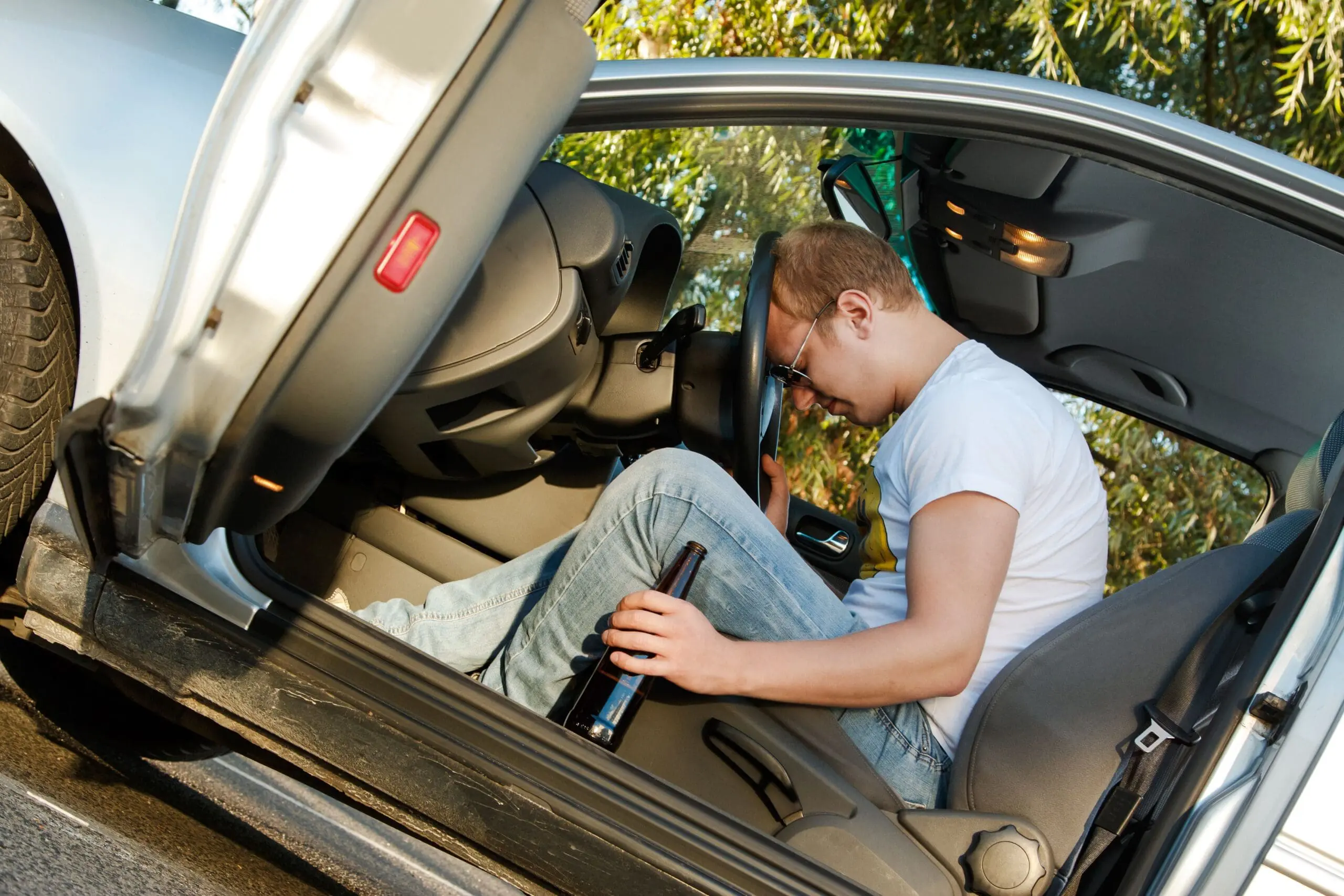
Drunk drivers are responsible for a significant number of traffic fatalities and severe injuries each year. Therefore, it is critical to report any driver you suspect is intoxicated. Here’s what to do if you see a drunk driver.
Keep Your Distance
When you spot a drunk driver, the first thing you should do is pull over or put as much distance as possible between you and them. That way, you are not put at risk by their dangerous driving.
How to Report a Drunk Driver in Georgia
Calling 911 is always the right first move when you believe someone is driving drunk and poses an immediate danger to others. But Georgia gives you several reporting options depending on the situation:
911 (Emergency Line)
Use 911 when the driver is actively swerving, driving the wrong way, running red lights, or otherwise posing an immediate danger to you or other drivers. This routes you to local emergency dispatch, who can send police to intercept the vehicle. Be ready to provide your location, the direction you and the vehicle are traveling, and a description of the car — make, model, color, and any part of the license plate you were able to note.
#GSP (Georgia State Patrol — Highway Emergencies)
On Georgia highways and interstates, you can dial #GSP from your cell phone to reach the Georgia State Patrol directly. This is the number promoted by GDOT for reporting impaired drivers, reckless driving, and other highway hazards. If you are on I-285, I-75, I-85, I-20, or any other major Georgia highway, #GSP connects you quickly to a state trooper dispatch.
511 (Georgia’s Traffic Information Line)
Georgia’s 511 service allows you to report hazards including impaired drivers and road obstructions. While 511 is primarily a traffic information line, it is monitored and can be used to flag dangerous drivers to GDOT when reaching 911 is not immediately possible. It is best used as a secondary option rather than your first call in an active emergency.
What Information to Have Ready
No matter which number you call, the more specific you can be, the better the chance police can locate the driver. Try to have:
- Your current location and the direction you are traveling
- The last known location and direction of the suspected drunk driver
- A description of the vehicle: make, model, color, and any portion of the license plate
- A description of the driving behavior you witnessed (swerving, running red lights, driving the wrong way, etc.)
- Approximately how long ago you observed the behavior, if you are calling after the fact
You do not need to follow the vehicle or put yourself at risk to gather this information. Provide what you have and let law enforcement take it from there.
How to Spot a Drunk Driver
Keep the following signs in mind when on the road so you can spot an impaired driver.
Swerving
Swerving is one of the most apparent intoxicated driving behaviors that are easy to notice. Driving in a straight line is easy for drivers when sober, but alcohol impacts a person’s ability to concentrate.
Excessive Braking or Traveling Below the Speed Limit
Drunk drivers can overcompensate by braking more frequently or driving slower than the speed limit. These behaviors can cause hazards to others on the road who don’t expect a vehicle to brake or drive so slowly, especially if on a freeway.
Hugging the Center Line
Intoxicated drivers tend to drive too closely to the center line.
Tailgating
Drunk drivers may persistently follow the car in front of them to try to hide that they are impaired. Therefore, if another car is constantly too close to your vehicle when there is an empty passing lane, it can be a sign that the driver is impaired.
Serious Traffic Violations
A drunk driver may fail to turn on headlights, use signals to turn, run red lights or stop signs, drive the wrong way in traffic, stop at an intersection when they have the right of way, abruptly change lanes, speed, weave through traffic, and more.
What to Do If You Are Hit By a Drunk Driver
The steps you take after a drunk driving accident are critical to your health and claim for compensation.
- Try to Remain Calm: You may be in pain and in shock, but try to stay calm to help you make rational decisions.
- Call 911: Notify the police of the collision, even if no one is hurt. When an officer arrives, tell them you believe the driver is intoxicated. They will assess the situation and arrest the driver if necessary. Medical responders will also come to check if anyone is injured and must be transported to the hospital.
- Take Photos and Video: If you are not taken to the hospital, stay at the scene and take photos and video of the vehicles, your injuries, and the surrounding area.
- Ask For Contact Information: If the other driver is coherent, you can ask for their contact and insurance information, but the police will include this information in the police report. If there are witnesses, ask for their contact information and if they will make a recorded statement on your phone.
- Get Medical Attention: Seek medical care as soon as possible after leaving the scene. Medical records must link your injuries to the drunk driving accident.
Lastly, schedule a free consultation with an Atlanta Car Accident Lawyer to ensure your rights are protected, and you recover full and fair compensation.