


Road Rash Is More Than a Scrape: Seeking Compensation for Permanent Scarring
Road rash is often brushed off as a minor injury, something that looks painful but heals with time. In reality, severe road rash can cause lasting damage that changes a person’s body, confidence, and quality of life. When an accident leaves behind permanent scars, the physical pain is only part of the story. Victims may also face emotional trauma, long-term medical care, and financial strain.
Under Georgia law, compensation for permanent scarring may be available when road rash leads to lasting disfigurement or chronic pain. In this guide, we break down how these injuries occur, their legal implications, and how to protect your rights after an accident.
Understanding Road Rash
Road rash is a type of abrasion injury that happens when the skin scrapes against rough surfaces like asphalt or concrete during a motor vehicle accident. It commonly occurs in crashes where a person is thrown from a vehicle or makes direct contact with the roadway.
Road rash injuries are typically classified by severity:
- First-degree road rash:
Superficial scrapes that affect only the outer layer of skin. These injuries are painful but usually heal without scarring. - Second-degree road rash:
Deeper abrasions that damage multiple layers of skin. These injuries may ooze, become infected, and often leave visible scars. - Third-degree road rash:
Severe injuries that expose muscle, fat, or bone. Third-degree road rash frequently requires surgery, skin grafts, and long-term medical care. Permanent scarring is almost guaranteed.
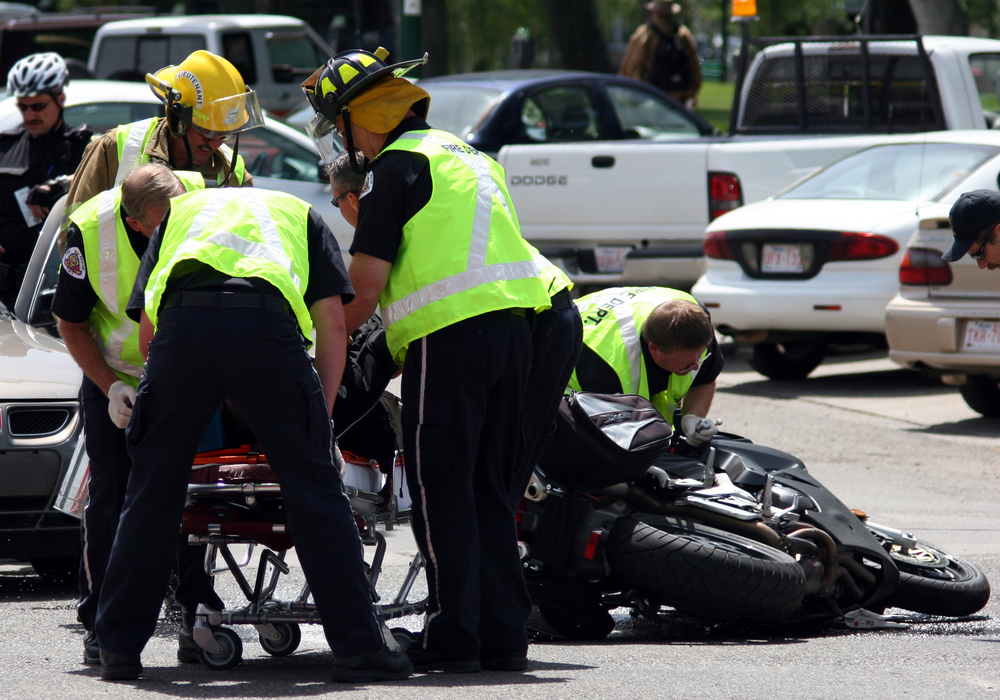
Road rash injuries are most often associated with high-impact incidents, including motorcycle crashes, bicycle accidents, pedestrian collisions, and situations where occupants are ejected from a vehicle. Riders and pedestrians are especially vulnerable because they have little to no protection upon impact.
Medical complications from severe road rash can include infection, nerve damage, limited mobility, and permanent scarring. Deep abrasions are particularly prone to infection because debris such as gravel and dirt can become embedded in the wound, prolonging healing and causing long-term damage.
The Hidden Consequences of Severe Road Rash
For many victims, the most difficult part of a road rash injury begins after the initial wounds heal. Severe road rash can leave behind thick, discolored scars that are painful, itchy, and sensitive for years. In some cases, scar tissue restricts movement or causes chronic nerve pain.
Does A Road Rash Scar Cause Emotional Damage?
Permanent scarring can also take a serious toll on mental and emotional health. Visible scars on the face, arms, or legs often affect self-esteem, social interactions, and professional opportunities. Patients with disfiguring scars are also at a higher risk for anxiety and depression, particularly when scars are highly visible or associated with traumatic events.
Medical treatment does not always end once the skin closes. Victims may require:
- Reconstructive or plastic surgery
- Skin grafts
- Ongoing wound care
- Treatment for nerve damage or chronic pain
Dermatologists and plastic surgeons consistently note that severe abrasions rarely heal without some degree of permanent scarring—even with advanced treatment. Their permanence is a key reason road rash injuries should never be dismissed as “minor.”
Why Permanent Scarring Matters in Injury Claims
In personal injury law, scars are often treated as a form of non-economic damage, meaning they are considered pain and suffering rather than a medical expense or cosmetic issue. When scars don’t fade or require ongoing treatment, their impact can follow injured victims for life.
One of the most important factors in road rash claims is visibility. Scars on the face, neck, arms, or legs tend to carry greater emotional and psychological weight than scars hidden under clothing. Insurance companies and juries often consider the scar’s visibility and its likelihood of affecting a person’s confidence, social interactions, and career.
Permanence also plays a major role. A scar that remains years after an accident is treated differently from one expected to fade with time. Medical records and expert opinions help establish that the damage is permanent, directly affecting the value of a claim for compensation for permanent scarring.
- Consider this fictional example based on common claim scenarios:
A cyclist suffers deep road rash to the face and arms after being struck by a car. Even after months of treatment, visible scarring remains. Although the cyclist returns to work, they experience ongoing emotional distress, avoid social situations, and require cosmetic consultations.
In cases like this, Georgia law allows injured individuals to seek recovery for these lasting consequences when another party’s negligence caused the accident. Their compensation may account for both the physical injury and the long-term emotional effects of permanent disfigurement.
Recommended Reads for Accident Victims

Road Rash Is More Than a Scrape: Seeking Compensation for Permanent Scarring

Common Car Accident Scams and Fraud in Georgia — What Drivers Should Know

How Road Rage Incidents Impact Car Accident Claims in Atlanta

What Are Your Legal Options After a Rollover Car Accident in Georgia?

Who Is at Fault in Georgia Left‑Turn Accidents?

How Should You Handle a Hit-and-Run Car Accident in Georgia?
What Types of Compensation Can You Seek?
When road rash leads to permanent scarring, compensation may include both financial losses and harder-to-measure personal harm. These damages are generally divided into economic and non-economic categories.
Economic Damages
Economic damages cover the measurable costs tied directly to the injury, such as:
- Emergency care, hospital stays, and follow-up visits
- Surgery, skin grafts, and reconstructive procedures
- Physical therapy and rehabilitation
- Prescription medications and medical supplies
- Lost wages during recovery
- Reduced earning capacity if the injury affects long-term employment
- Out-of-pocket expenses like transportation to medical appointments
Future treatment costs should be factored into your claim when seeking compensation for permanent scarring, as severe road rash injuries often require ongoing medical care.
Non-Economic Damages
Non-economic damages address the personal and emotional impact of an injury, and may include:
- Physical pain and discomfort
- Emotional distress and mental anguish
- Permanent scarring or disfigurement
- Loss of enjoyment of life
- Reduced confidence or changes in personal relationships
Because these damages lack receipts, insurance companies frequently dispute them. Documentation, expert testimony, and legal advocacy are often necessary to pursue fair compensation for permanent scarring and related suffering.
How to Prove the Value of a Scarring Claim
Strong evidence is essential when seeking compensation for permanent scarring caused by a road rash injury. Insurance adjusters often downplay scarring unless the long-term impact is clearly documented.
Key forms of evidence may include:
- Early medical treatment: Prompt care creates a clear record connecting the injury to the accident.
- Photographic documentation: Photos taken immediately after the injury and throughout recovery help show severity and permanence.
- Medical records: Detailed notes from doctors, dermatologists, or surgeons explaining long-term effects.
- Expert testimony: Opinions from plastic surgeons or mental health professionals regarding lasting damage.
- Personal documentation: Journals or statements describing pain levels, emotional struggles, or lifestyle changes.
Comparing life before and after the accident can be especially powerful. Evidence of changes in appearance, confidence, or career path demonstrates how permanent scarring has altered daily life.
Common Mistakes Victims Make After a Road Rash Injury
Many accident victims focus on immediate healing, underestimating the long-term consequences of road rash. Unfortunately, certain missteps can weaken an otherwise valid claim.
- One of the most common mistakes is settling too early. Insurance companies may offer quick payouts before the full extent of scarring is known. Once a settlement is accepted, victims typically lose the right to pursue additional compensation, even if future surgeries or complications arise.
- Another frequent issue is incomplete documentation. Failing to photograph injuries, skipping follow-up appointments, or neglecting mental health treatment can make it easier for insurers to argue that scars are minor or non-permanent.
- Social media can also negatively impact injury claims. Photos or updates that appear to show normal activity may be taken out of context and used to minimize pain or emotional distress.
- Finally, many victims wait too long to speak with a personal injury attorney. Delays can lead to lost evidence, missed deadlines, and reduced leverage during negotiations.
If you were injured in a crash involving a motorcycle or bicycle, early guidance is especially important. Accidents involving riders often result in severe abrasions, which is why cases involving motorcycle accidents and bicycle accidents require careful evaluation before any insurance offer is accepted.
How an Atlanta Personal Injury Lawyer Can Help
Road rash injuries are often underestimated by insurance companies, particularly when they are labeled as surface-level wounds. An experienced Atlanta personal injury lawyer knows how to uncover the true impact and present it clearly so that road rash victims receive the maximum possible compensation for their permanent scarring.
Personal injury lawyers support their clients by:
- Calculating the full value of a claim, including long-term emotional and physical effects
- Working with medical experts to establish permanence and future care needs
- Challenging insurance tactics that minimize visible injuries
- Managing communication and negotiations with insurers
- Preparing their case for litigation if a fair settlement is not offered
An Atlanta personal injury lawyer also understands how legal deadlines, Georgia liability rules, and local courts affect personal injury cases. This knowledge can be critical in securing fair compensation for permanent scarring and related pain and suffering.
What to Expect When You File a Claim
While every case is unique, most road rash claims follow a similar path.
- Medical evaluation and documentation
Treatment begins immediately, with doctors documenting the severity of injuries and any expected long-term effects. - Investigation and liability determination
Evidence is gathered to show how the accident occurred and who was responsible. - Claim filing
A formal claim is submitted to the at-fault party’s insurance company or pursued through the court system if needed. - Negotiation or litigation
Many cases resolve through negotiation, but some may escalate to the courtroom if insurers dispute the value of permanent scarring.
Timelines vary, but many personal injury claims involving scarring resolve within six to twelve months. More complex cases, such as those involving surgery or disputed liability, may take longer.
Why Working With a Reputable Atlanta Injury Lawyer Matters
Take the Next Step — Protect Your Recovery and Future
Severe road rash can leave lasting scars that affect far more than physical appearance. Georgia law recognizes these injuries as more than superficial harm, and injured individuals have the right to pursue compensation for permanent scarring that reflects the full scope of their losses.
Graham Scofield Injury Lawyers provides personalized representation to road rash injury victims across Atlanta. Our firm helps clients understand their options and pursue recovery with confidence. Consultations are free, and there are no legal fees unless compensation is recovered.
If you or a loved one suffered road rash and lasting scarring after an accident, speak with Graham Scofield Injury Lawyers before evidence and witness memories fade. We’re here to protect your recovery and your future.

Graham Scofield
Atlanta Personal Injury Lawyer
Graham Scofield is a skilled trial lawyer and a fierce advocate for injury victims and employees’ rights.