

Common Car Accident Scams and Fraud in Georgia — What Drivers Should Know
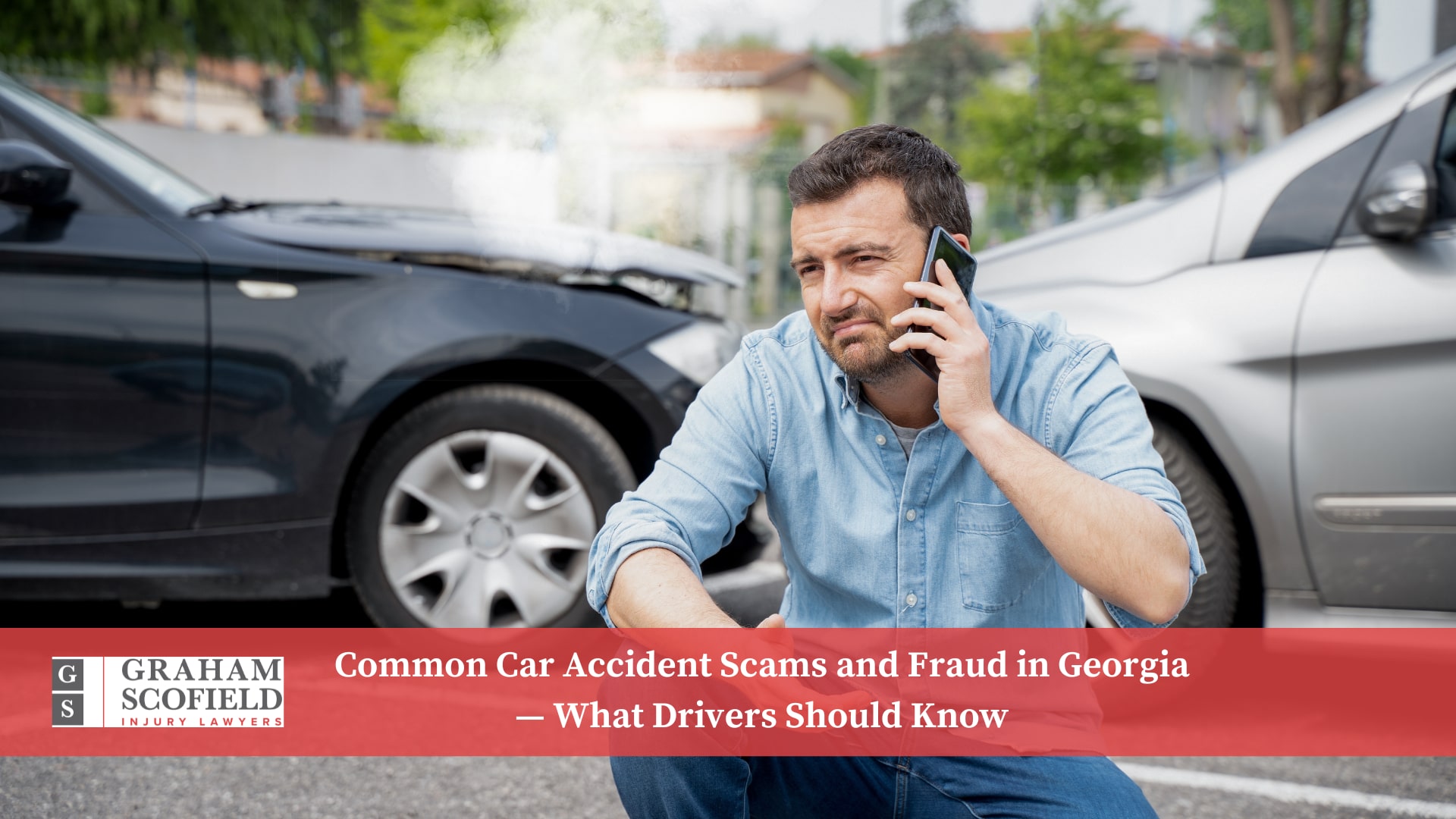
According to the National Insurance Crime Bureau (NICB), “staged auto accidents” remain one of the most common fraud schemes nationwide. Unfortunately, this leaves Georgia drivers especially vulnerable to scammers who orchestrate collisions, file false claims, and collect your money.
Car accident scams cost honest drivers time, emotional distress, and money. In some cases, they can even lead to wrongful accusations against innocent victims.
This article educates Georgia drivers and accident victims to help them stay protected on the road. We’ll cover the warning signs of a fraudulent crash, what your rights are under Georgia law, and when it’s time to contact a car accident lawyer for help.
Why Car Accident Fraud Is a Serious Problem in Georgia
Auto fraud refers to intentionally staging or manipulating a crash, injury claim, repair process, or insurance communication to obtain money. Since they involve deliberate dishonesty, they differ from honest mistakes or misunderstandings.
Georgia has seen a rise in car accident scams in recent years. According to a 2021 study, the state ranks 8th worst for auto-related fraud. These unfortunate scenarios have several harmful effects on consumers, including increased insurance premiums, distrust, and false accusations against innocent drivers.
Common Car Accident Scams Seen Across Georgia
Fraudsters often use predictable patterns to manipulate honest drivers. Whether you’re commuting through Midtown Atlanta, navigating I-285, or driving through smaller communities, car accident scams can happen anywhere.
Below are the most common scams reported in Georgia.
Staged Collisions (“Crash-for-Cash” Scams)
Staged insurance fraud car accidents are one of the most widely reported fraud methods in Georgia. The NICB identifies several common types:
- Swoop-and-Squat: A vehicle suddenly cuts in front of you (“swoops”), while another car brakes hard in front of that one (“squats”). This causes a rear-end collision that appears to be your fault.
- Drive-Down: A driver waves you forward from a parking lot or side street, then accelerates into your vehicle and denies ever waving you on.
- Curb-Pull-Out: A car waits near a curb, pulling out at the last possible second to cause a crash.
- Wave-In Scam: A driver gestures that it’s safe to merge, then collides with your car intentionally.
- Phantom Passenger Scam: After a crash, additional “injured passengers” suddenly appear, claiming they were inside the vehicle.
Typical behaviors that reveal a staged crash include:
- Multiple passengers claim injuries but show no obvious trauma
- Older or already-damaged vehicles “involved” in the crash
- Immediate refusal to call the police
- Pushy demands for your insurance information without explanation

Fake or Exaggerated Injury & Medical Treatment Claims
Some scammers work with unethical clinics, often called “medical mills”, that inflate treatment costs or bill for services that never happened.
They may use “runners” who show up at crash scenes or contact victims afterward to steer them toward these clinics for kickbacks.
Georgia’s Rules of Professional Conduct prohibit direct solicitation, so both the perpetrators and unsuspecting victims can face serious consequences.
In a recent case, a Georgia woman was charged after submitting fabricated medical records seeking nearly $15,000.
Recommended Reads for Accident Victims
How Long Does an Insurance Company Have To Investigate a Claim in Georgia?
Why ChatGPT Can’t Win Your Car Accident Settlement
Seat Belt Syndrome: Injuries and Treatment After a Car Accident

A Visual Guide to Semi-Truck Blind Spots & No-Zones

Georgia’s “Holt Demand” in 2026: Rules for Settling Your Georgia Injury Claim

Road Rash Is More Than a Scrape: Seeking Compensation for Permanent Scarring
Tow-Truck and Repair Shop Scams
Predatory towing often occurs immediately after a crash, when an unsolicited tow truck arrives and pressures drivers to hand over their vehicle. These operators may steer you to overpriced or untrustworthy repair shops that inflate bills or refuse to release your car until excessive fees are paid.
Red flags include:
- No written estimate or towing authorization
- Demands for cash-only payment
- Towing to a shop you didn’t choose
- Claims your insurer “requires” their repair facility
To stay safe, call 911 first, notify your insurer, request the tow operator’s ID, and never sign documents you haven’t read.
Unethical Solicitation or “Runner” Scams
Runner scams involve people who illegally contact accident victims with offers of legal or medical help.
Warning signs:
- Unsolicited texts, calls, or DMs from alleged law firms or medical offices
- Strangers approaching you at the scene with referrals
- Pressure to sign documents immediately
If you’ve been in a recent car accident, only contact attorneys proactively; never respond to cold outreach.
What to Do After a Car Accident in Atlanta
How Georgia Law Defines and Punishes Car Accident Fraud
Under Georgia’s Insurance Fraud Statute, O.C.G.A. § 33-1-9, it’s illegal to make or assist with any false or misleading statement connected to an insurance claim. Punishable acts include staged accidents, falsifying injuries, fake witnesses, and forged medical documents.
Georgia classifies these actions as serious offenses because they undermine the claims process and harm honest drivers. It is typically prosecuted as a felony rather than a civil claim denial.
Penalties may include:
- Fines and restitution
- Felony charges
- Possible imprisonment
- A permanent criminal record
Red Flags That May Indicate You’re Being Scammed
Knowing the warning signs of fraudulent behavior can protect you from car accident scams.
Look out for these red flags:
- Vehicles maneuvering strangely just before impact
- Multiple passengers suddenly claiming injury
- Tow trucks arriving within minutes despite not being called
- Drivers discouraging you from contacting the police
- Strangers offering legal or medical referrals
“Clinic representatives” texting or calling you after the crash
If you see any of these signs, document everything, file a report, and call a car accident insurance fraud lawyer right away.
How To Protect Yourself From Car Accident Scams
Taking the right steps after a car accident can greatly reduce your risk of being scammed. These actions also strengthen your position if you need to dispute a fraudulent claim later.
Protect yourself by:
- Calling 911 and insisting on an official police report
- Taking photos of all vehicles, license plates, damage, and the scene
- Recording driver and passenger statements when possible
- Using a dashcam for continuous video evidence
- Sharing details only with the police, your insurer, or your lawyer
- Avoiding signing anything or accepting referrals at the scene
What To Do If You’re Wrongfully Accused of Fraud
Even honest drivers can be accused of fraud. This is especially common when scammers try to shift blame after staged crashes. A fraud allegation doesn’t mean you’re guilty, but it does mean you should seek legal help right away.
Here’s what to do if you’re wrongfully accused:
- Take photos of the scene
- Gather witness statements
- File a police report
- Collect any dashcam footage
An experienced Atlanta personal injury attorney will communicate with insurers, protect your rights, and help correct inaccurate assumptions.
Why Working With a Reputable Atlanta Injury Lawyer Matters
If you suspect a fraudulent car accident claim, having an experienced attorney on your side matters. They can identify red flags that insurers often miss and collect evidence needed to prove your innocence.
The role of an Atlanta Injury Lawyer is to know how staged accidents unfold, how medical documentation should look, and how to communicate with investigators when fraud accusations arise.
Graham Scofield Injury Lawyers brings the local experience needed to identify and challenge car accident scams in Atlanta and Georgia. Our expertise and law-enforcement relationships help us protect honest victims from fraudulent allegations and aggressive insurance tactics.
Legitimate Claims vs. Fraudulent Ones — Knowing the Difference
Most injury claims in Georgia are completely legitimate. Fraudulent cases only occur when someone intentionally exaggerates, fabricates, or manipulates facts to collect money.
Key differences:
Legitimate claims: Accurate medical documentation, consistent statements, cooperation with insurers, prompt reporting.
Fraudulent claims: Fake injuries, inconsistent details, sudden additional “passengers,” or pressure to use specific clinics or lawyers.
Drivers should never fear pursuing fair compensation simply because fraud exists. Honest documentation protects you.
Contact Graham Scofield Injury Lawyers To Fight Injury Claim Fraud in Georgia
Car accident scams are an unfortunate risk for every Georgia driver. They can raise insurance premiums, delay valid claims, and put honest people at risk of undeserved accusations.
Staying alert, documenting everything, and recognizing the warning signs can help protect you. But if you’re dealing with aggressive insurers, suspicious behavior from other drivers, or wrongful accusations of fraud, you don’t have to face it alone.
Graham Scofield Injury Lawyers provides strategic, experienced representation for crash victims throughout Atlanta and the surrounding communities. Our firm understands how fraud schemes unfold, how insurers investigate them, and how to protect your rights from the start.
If you’re facing a fraudulent crash situation, contact a car accident insurance fraud lawyer today.

Graham Scofield
Atlanta Personal Injury Lawyer
Graham Scofield is a skilled trial lawyer and a fierce advocate for injury victims and employees’ rights.